Dental anxiety is far more common than most people realise. Estimates suggest somewhere between 15 and 20 per cent of people experience enough anxiety to avoid dental care regularly, and a smaller but significant proportion have a genuine phobia that makes dental visits feel impossible.
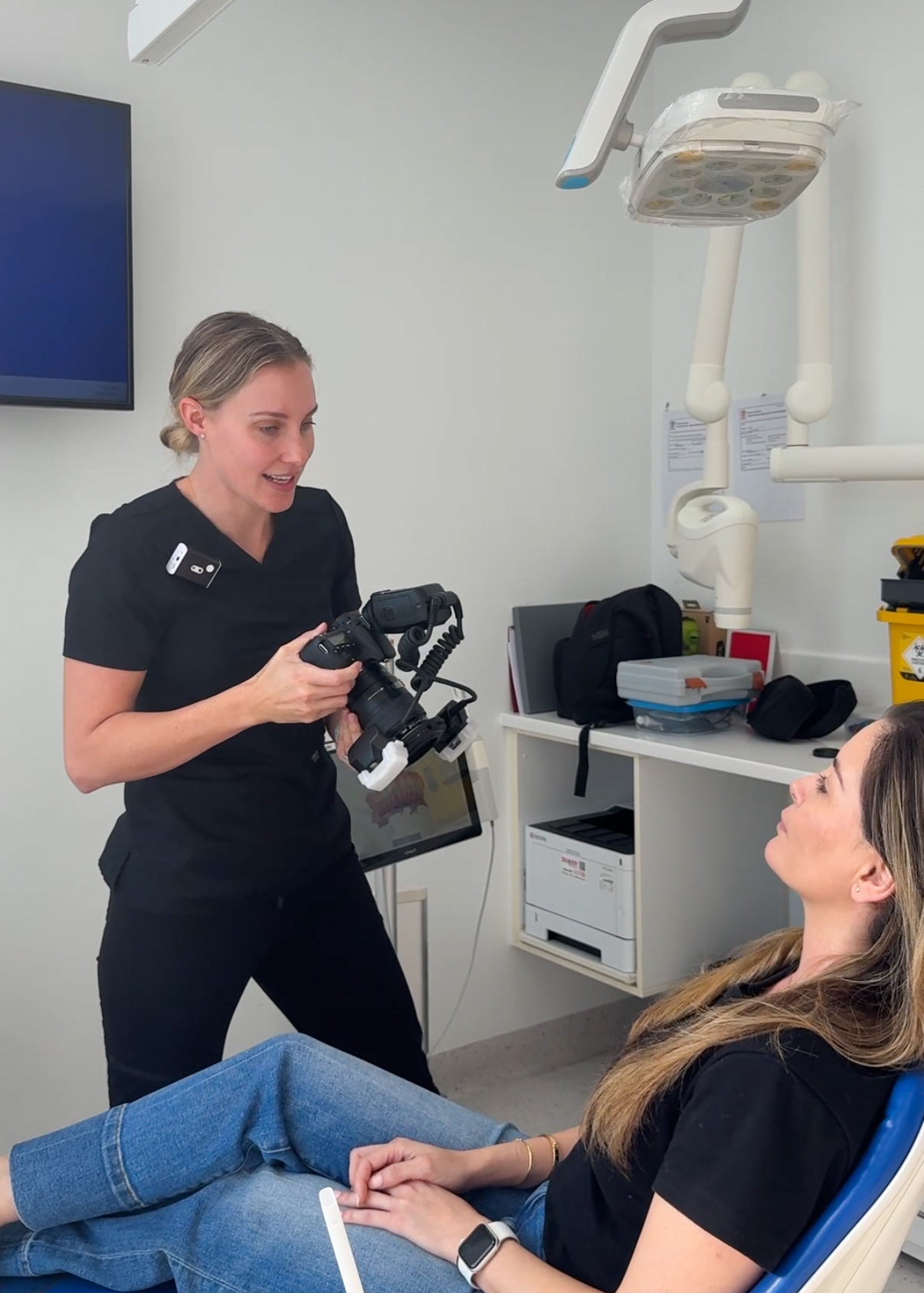
I find the most rewarding part of my work is helping patients who fall into this category. Getting someone through a treatment they've been putting off for years, and seeing them leave having had a completely different experience than they expected, is genuinely satisfying.
What makes dental visits difficult?
It's different for everyone. Common triggers include:
- A previous painful or traumatic dental experience
- Fear of needles or injections
- The sounds and smells of the dental environment
- Feeling out of control or unable to communicate during treatment
- Embarrassment about the condition of their teeth after a long gap in care
- A strong gag reflex that makes certain procedures unbearable
What's actually possible?
Quite a lot, and significantly more than most anxious patients realise.
Nitrous oxide (happy gas) is available for any appointment. It works within minutes, takes the edge off anxiety without making you unconscious, and clears from your system quickly enough to drive home afterwards. Many patients who were previously white-knuckling through appointments find nitrous oxide makes the whole experience genuinely manageable.
IV sedation is available at Helensvale for patients who need a deeper level of support. You'll be in a deeply relaxed, sleep-like state throughout and remember very little of the procedure, which is provided by a dental sedationist. Crucially, you're still in the dental chair at your usual clinic, with Dr Lizzie doing your general dental treatment or, if specialist care is required, one of her caring and skilled colleagues you'll have already consulted with. No hospital, no separate referral, just a familiar environment and team. For many anxious patients, knowing it's the same environment and familiar faces makes a significant difference to how they feel about going ahead.
Good communication is something I take seriously regardless of whether sedation is used. Establishing a signal (like raising your hand) so you can pause the treatment at any time makes a real difference for many patients. I won't proceed faster than you're comfortable with.
What if I haven't been in years and I'm embarrassed?
Please don't let that stop you. I see patients regularly who haven't been to a dentist in five, ten, or even twenty years. There is no judgement, only a practical assessment of where things are and what needs to happen next. The important thing is coming in, not how long it's been.
Where do I start?
Just get in touch and tell me you're anxious. We can have a conversation, by phone, email or in person, about what specifically makes dental visits difficult for you, and what options might make it possible. You don't need to commit to anything at a first consultation.