IV sedation is one of those treatments that a lot of people have never heard of or have heard of but assume is only for major surgery. In reality it's a straightforward, well-established option that makes dental treatment genuinely comfortable for patients who struggle with anxiety, have complex needs, or simply want to get a lot done in one go.
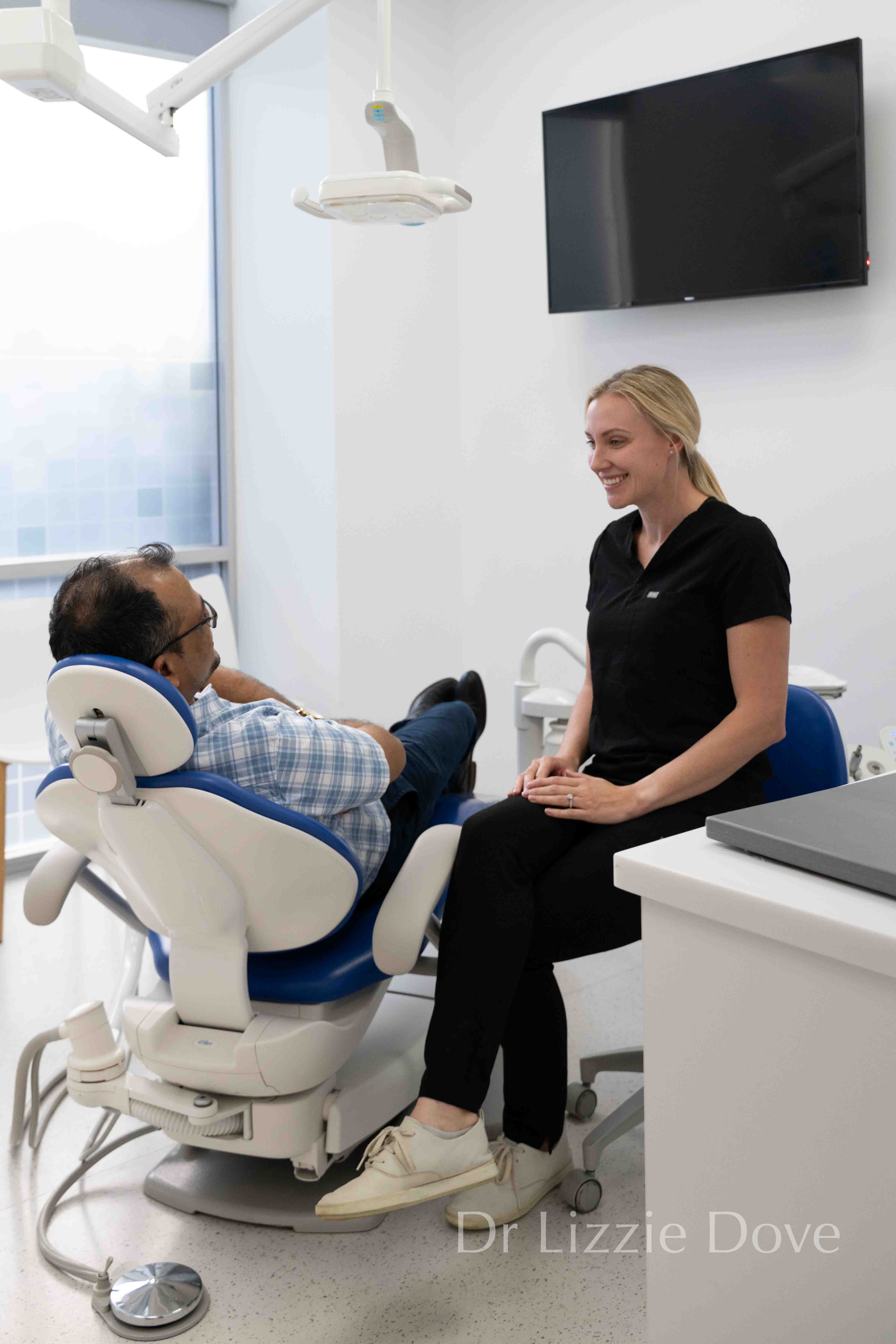
I'm now offering IV sedation at Pacific Smiles Dental Helensvale, and I find myself explaining it at consultations almost every day. So here's what I wish everyone already knew.
What actually happens with IV sedation?
IV stands for intravenous, the sedative medication is delivered directly into a vein, usually in the back of your hand or your arm. It works much faster than oral sedation and the level can be precisely controlled throughout the appointment.
Within a minute or two of the medication being given, most patients feel deeply relaxed, calm, drowsy, and largely unaware of what's happening around them. You're technically conscious throughout (this is different from a general anaesthetic, where you're completely asleep), but you're in a sleep-like state and most patients have very little or no memory of the procedure afterwards.
Your oxygen levels, heart rate and blood pressure are monitored continuously throughout. You'll need someone to drive you home and stay with you for the rest of the day.
Who is IV sedation suitable for?
IV sedation works well for a range of patients and situations:
- Significant dental anxiety or phobia, if fear has been stopping you from getting treatment, sedation can make it genuinely possible
- Complex or lengthy treatment, extractions, multiple fillings, veneers or other procedures that would normally take several appointments can often be completed in one sedation session
- Sensitive gag reflex, sedation reduces the gag reflex significantly, making certain treatments far more manageable
- Needle phobia, once you're sedated, injections for local anaesthetic are given without you being fully aware of them
- Previous difficult dental experiences, patients who've had traumatic dental treatment in the past often find sedation gives them a completely different experience
It's not suitable for everyone, certain medical conditions or medications may affect eligibility. This is why a consultation appointment is always required before booking a sedation appointment.
Is it safe?
Yes, IV sedation is a safe, well-established procedure when performed by a trained provider following appropriate protocols. It is not general anaesthesia and does not carry the same risks.
I monitor all patients continuously throughout sedation appointments and follow AHPRA and Australian Dental Association guidelines. A full medical history review is part of the pre-sedation consultation.
What's the difference between IV sedation and a general anaesthetic?
General anaesthesia renders you fully unconscious and requires an anaesthetist and a hospital setting. IV sedation is administered in the dental chair, produces a deeply relaxed sleep-like state, and recovery is much faster. Most patients feel alert enough to go home (with a driver) within an hour or two of the procedure finishing.
What do I need to do to prepare?
- Fast for at least 6 hours before your appointment (no food or drink except water)
- Arrange for a responsible adult to drive you home and stay with you for the rest of the day
- Avoid alcohol for 24 hours before and after
- Bring a list of any medications you take
- Wear comfortable, loose clothing
You'll receive a full preparation checklist after your consultation appointment.
IV sedation on the Gold Coast
IV sedation is available at Pacific Smiles Dental Helensvale (Westfield Helensvale). It's not offered at every general practice, if you've been looking for a Gold Coast dentist who offers this, a consultation is the first step.
Wisdom teeth and extractions, without a hospital referral
One of the most practical applications of IV sedation is for extractions, including wisdom teeth, that would otherwise be referred to an oral surgeon or performed under general anaesthetic in hospital. For cases where the clinical complexity doesn't require specialist intervention, IV sedation in the dental chair is a genuinely comfortable alternative. It's faster, less expensive, and recovery is generally easier than a hospital procedure.
Not every extraction is suitable for in-chair sedation, Dr Dove will assess this at your consultation and will always refer complex cases appropriately. But many patients who've been told they need to "go to hospital" for a wisdom tooth are surprised to find it can be done in the chair.